
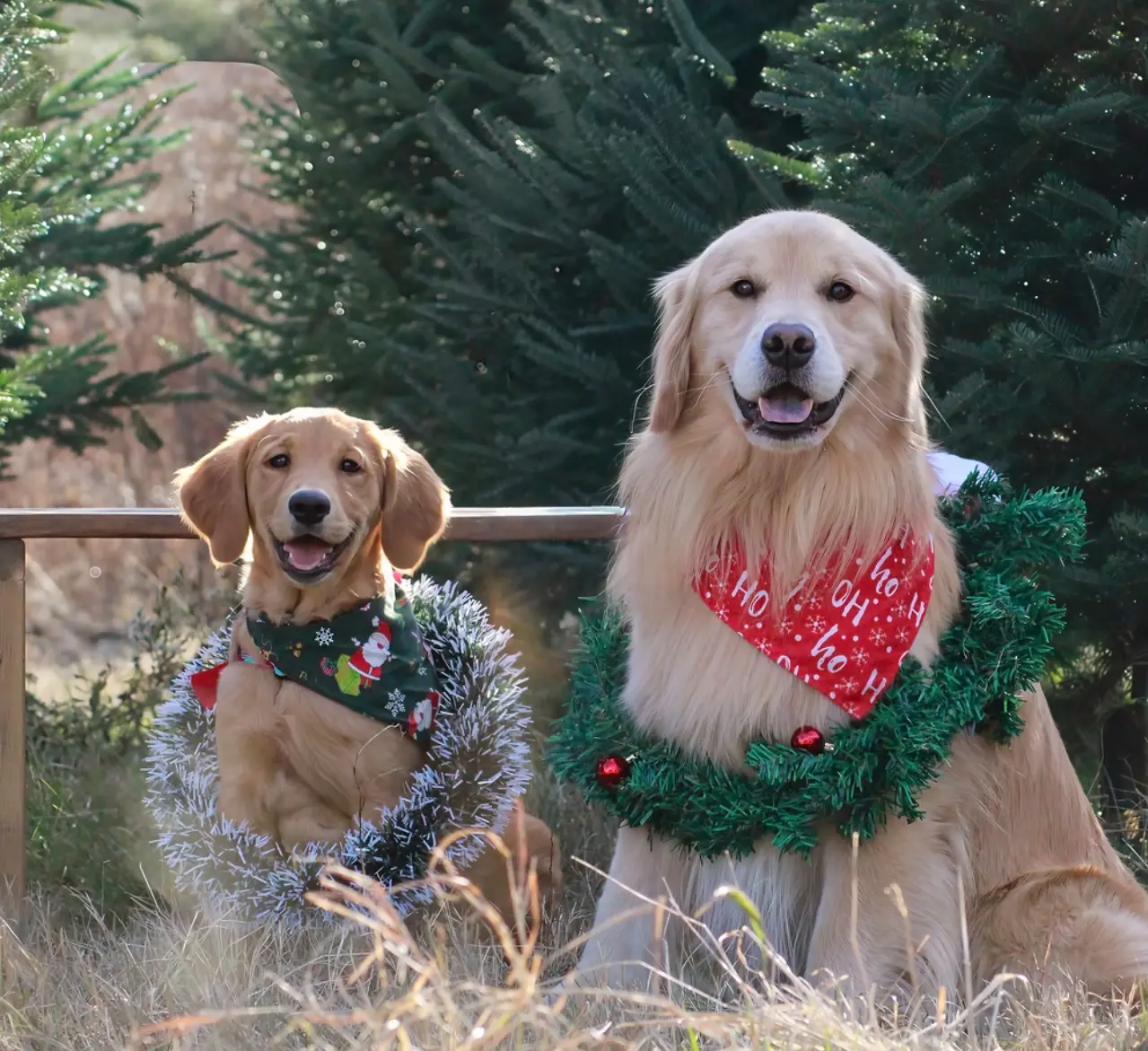
A Guide to Safe Holiday Gifts for Your Pet
The holiday season is a time of joy, celebration, and showing love for our family, including the furry members. While it's tempting to spoil our pets with festive treats and toys, their safety should always be our top priority. This guide will help you choose the perfect, safe gifts for your pet and highlight common holiday hazards to avoid, ensuring the season is happy and healthy for everyone.
Choosing Safe Gifts for Your Dog
Dogs often explore the world with their mouths, so picking durable and appropriate toys is essential. When shopping for your canine companion, keep these tips in mind.
What to Look For in a Dog Toy
Size Matters: Choose toys that are right for your dog's size and breed. A toy that's too small can be a choking hazard, while one that's too large might be hard for your dog to enjoy. A good rule of thumb is to pick toys that can't fit entirely inside your dog's mouth.
Durable Materials: Look for toys made from sturdy, non-toxic rubber or nylon. These materials are built to withstand enthusiastic chewing. For powerful chewers, brands that specialize in ultra-durable toys are an excellent choice.
Engaging and Interactive Toys: Puzzle toys and treat-dispensing balls are fantastic for mental stimulation. They keep your dog engaged, reduce boredom, and can help prevent destructive habits. Make sure the treats you use are pet-safe and given in moderation.
Dog Gifts to Avoid
Toys with Small, Detachable Parts: Avoid toys with bells, squeakers, ribbons, or plastic eyes that can be easily chewed off and swallowed. These small parts can cause intestinal blockages or choking.
Rawhide and Cooked Bones: While popular, rawhide chews can pose a choking risk and cause digestive upset. Similarly, cooked bones can splinter easily, leading to internal punctures or blockages. Opt for safer alternatives like durable nylon bones or vet-approved dental chews.
Soft Toys for Power Chewers: Soft, plush toys might seem cute, but they can be shredded in minutes by a determined chewer, who may then swallow the stuffing and fabric. Save these for supervised, gentle playtime.
Selecting Safe Gifts for Your Cat
Cats have different play styles than dogs. They often prefer toys that appeal to their natural hunting instincts. Safety, however, is just as important.
What to Look For in a Cat Toy
Toys that Encourage Pouncing and Chasing: Wand toys with feathers, crinkle balls, and laser pointers (used responsibly) are excellent for tapping into your cat's predatory instincts. These toys provide great exercise and bonding time with you.
Catnip-Filled Fun: Many cats adore catnip. Toys filled with high-quality, organic catnip can provide hours of entertainment. Look for well-stitched toys that won't easily burst open.
Climbing and Scratching Structures: A new cat tree or scratching post is a wonderful gift. It satisfies their natural urge to climb and scratch, saving your furniture while giving them a safe space to survey their kingdom.
Cat Gifts to Avoid
Toys with String, Yarn, or Ribbon: These items are incredibly dangerous for cats. If swallowed, they can cause a life-threatening intestinal condition. Always supervise play with any string-like toys and store them securely afterward.
Small, Loose Toys: Small plastic mice or balls can be accidentally swallowed. Make sure any toy you give your cat is large enough that it cannot be ingested.
Holiday Decorations: Dangling tinsel, fragile glass ornaments, and low-hanging lights can be irresistible but hazardous temptations for a curious cat.
Gift Ideas for Other Small Pets
Don't forget the smaller members of your family! Rabbits, guinea pigs, hamsters, and birds also enjoy festive enrichment.
For Rabbits and Guinea Pigs: Look for chew toys made from untreated wood, cardboard tunnels for exploring, or snuffle mats where you can hide their favorite healthy treats. Avoid items with plastic or glue.
For Hamsters and Gerbils: Small wooden chew blocks, new hideouts, and an upgraded, larger wheel can make excellent gifts. Ensure any new additions to their habitat are made from pet-safe materials.
For Birds: Birds love to shred and forage. Consider toys made from natural materials like wood, leather, or paper. Foraging toys that challenge them to find their food are also a great way to provide mental stimulation. Avoid toys with small metal parts (other than stainless steel), which may contain toxic substances.
General Holiday Safety Tips for All Pets
Beyond gifts, the holiday season brings other potential dangers into your home. Keeping your pets safe means being aware of your festive surroundings.
Hazardous Holiday Plants: Mistletoe, holly, amaryllis, and lilies are beautiful but toxic to pets. Poinsettias are mildly toxic and can cause stomach upset. Opt for artificial plants or keep real ones well out of your pet's reach.
Dangerous Human Foods: Many festive foods are risky for pets. Chocolate, grapes, raisins, onions, garlic, and anything sweetened with xylitol are highly toxic. Keep food platters away from counter-surfing pets and ask guests not to share their scraps.
Electrical Cords and Lights: Chewing on electrical cords can cause burns or electrocution. Secure cords and use pet-proof covers. Be mindful of batteries; if swallowed, they can cause serious internal damage.
A Quiet Space: Holiday gatherings can be overwhelming for pets. Ensure your pet has a quiet, comfortable room to retreat to, with fresh water and their favorite bed. This gives them a safe space away from noise and unfamiliar faces.
By keeping these tips in mind, you can help make the holiday season safe, joyful, and memorable for everyone in your family—two-legged and four-legged alike.
What to Do if Your Pet Ingests a Toy or a Potentially Toxic Item
Even with the safest gifts and careful supervision, accidents can happen. If your pet swallows something they shouldn't, like a piece of a toy, string, ribbon, batteries, plants, or any potentially harmful item, quick action is important.
Step 1: Stay Calm and Assess
- Try to figure out what and how much your pet may have ingested.
- Watch for early signs of trouble, such as drooling, vomiting, gagging, pawing at the mouth, lethargy, or abdominal discomfort.
- Do not try to induce vomiting unless a veterinarian tells you to. Some objects, like batteries, sharp items, or string, can cause more damage coming back up.
Step 2: Remove Any Remaining Hazards
- Keep other pets and people away from the area and the hazardous item.
- If it's something toxic (medications, cleaners, plants, chocolate), move it well out of reach right away.
Step 3: Call a Veterinarian Immediately
- Contact your local veterinary hospital or emergency clinic for advice, even if your pet seems okay.
- Be ready to share details about what your pet ate and any symptoms you've noticed.
Acting quickly can make a big difference for your pet's health. When in doubt, always reach out to your veterinarian for guidance.
Author
Alexandrea Gallivan
Developed in collaboration with:
Dr. Jeff Aramini (DVM, MSc, PhD, EMTM)
President, Co-Founder and Medical Director, PetNation